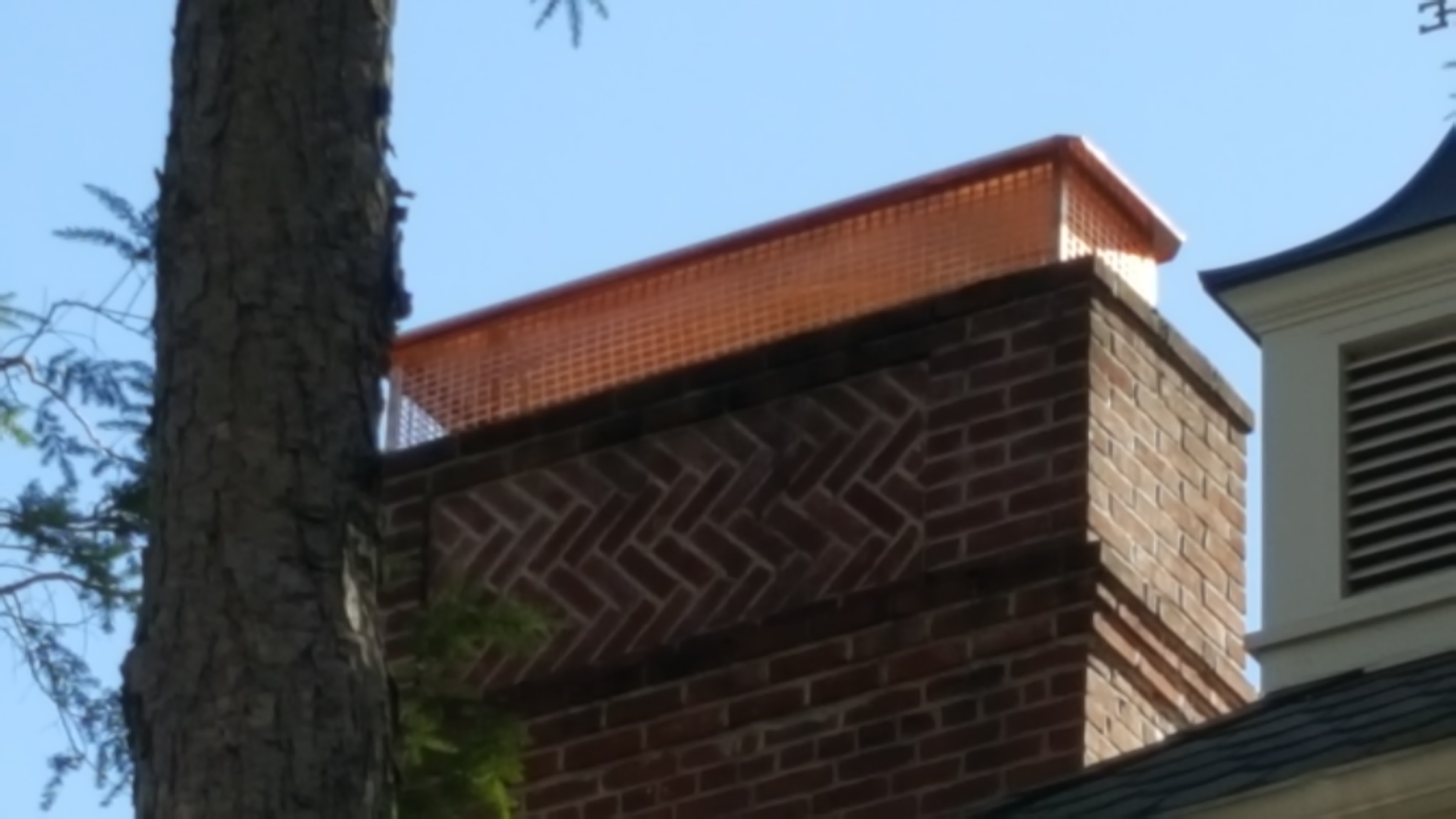
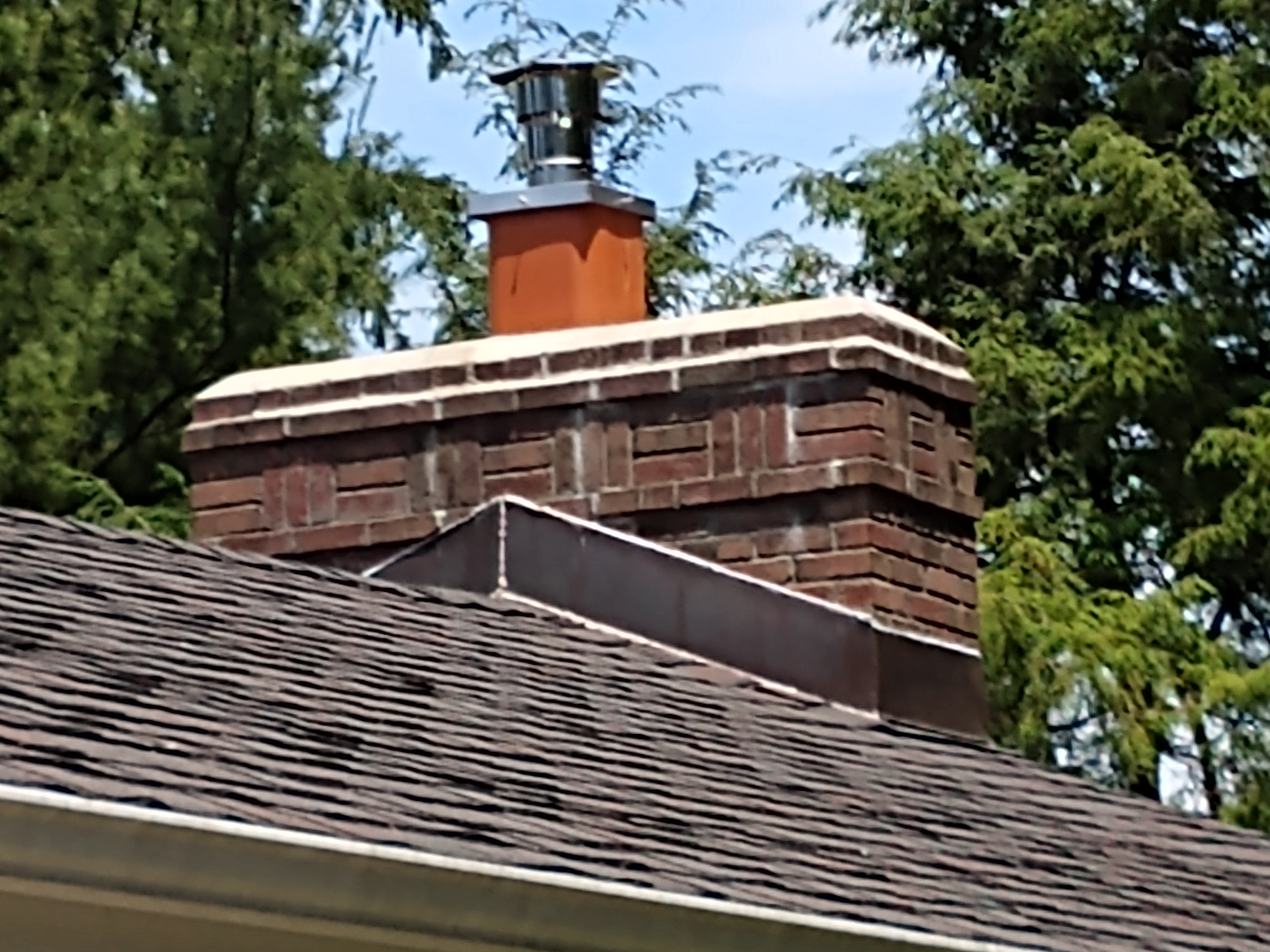
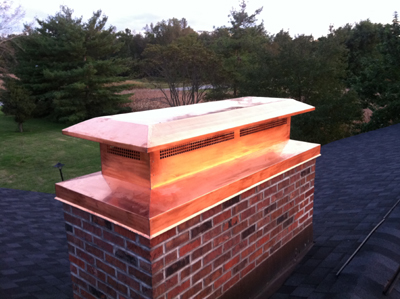
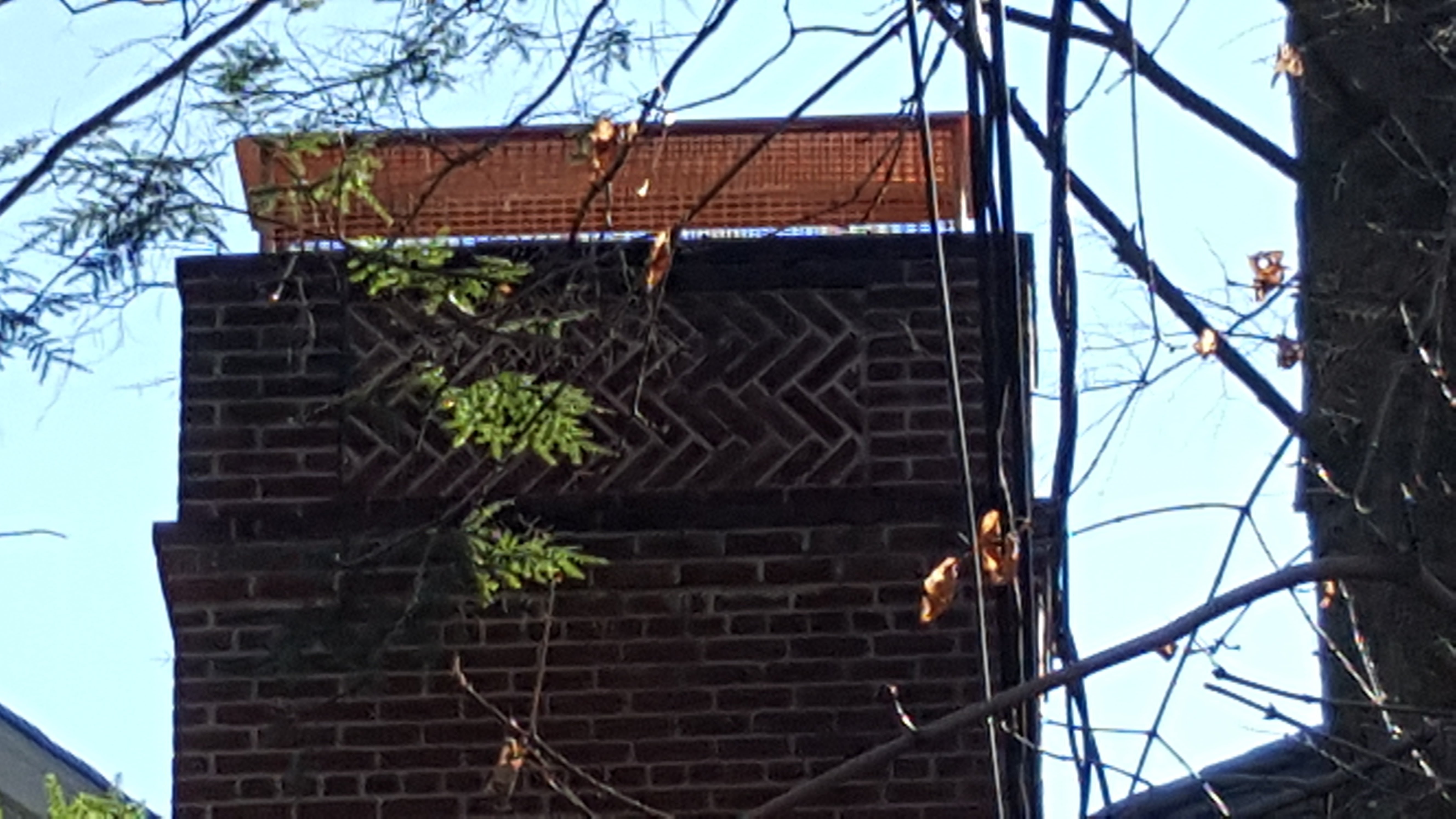
Your chimney cap is basically the first line of defense against Long Island's unpredictable weather and persistent pest problems. Homeowners in Levittown often overlook this small fixture because it sits high above sight lines and seems insignificant compared to the rest of the chimney structure. In reality, a damaged or missing cap can lead to water infiltration, animal nesting, and debris accumulation that compromise your entire heating system. If your cap is cracked, rusted, or missing altogether, water begins seeping into the flue during the frequent rainy spells we experience on Long Island. That moisture travels downward, saturating the mortar and damaging the masonry from the inside out.
Levittown's post-war housing stock—built primarily in the 1950s—means many homes are approaching or past seventy years old. Original chimneys in these homes have endured decades of exposure to salt air, freeze-thaw cycles, and intense summer humidity that characterizes living near Long Island Sound. The protective coating on older chimney caps degrades faster than most homeowners realize. We work with residents of Levittown regularly who discover their caps have failed only after water damage appears in their attic or along the chimney breast inside the home. By that point, interior repairs become necessary alongside cap replacement. Addressing cap damage early prevents exponentially more costly restoration work.
Seasonal weather patterns on Long Island create specific challenges for chimney caps. Winter brings heavy snow and ice that weigh down poorly installed or weakened caps. Spring storms generate the kind of driving rain that exploits even small gaps or rust spots. Summer heat and humidity accelerate corrosion on metal components. Fall brings leaves and debris that pile up against uncapped openings, creating blockages that restrict draft and create safety hazards. A properly functioning cap handles all four seasons, but one in decline cannot. Levittown homeowners using oil heat or natural gas heating systems benefit enormously from keeping their chimney caps in excellent condition, since both fuel types produce moisture that vents through the chimney.
Animals and birds view an exposed or damaged chimney cap as an open invitation to nest. Raccoons, squirrels, birds, and bats routinely enter Levittown homes through failing caps and take up residence in the flue. Once inside, these animals create blockages, generate noise and odor, and sometimes become trapped. You may only discover the problem when you notice foul smells, hear scratching sounds, or spot droppings. Prevention through a solid, well-installed cap costs far less than wildlife removal and subsequent chimney cleaning. Homes in Levittown with mature trees nearby face higher risks because animals and birds have easy access to roof height. A functioning cap eliminates this entry point entirely and gives you confidence year-round.
After storms, we receive multiple calls from Levittown residents whose caps were damaged by wind or debris impact. High winds can tear off caps that were already weakened by corrosion or improper installation. Falling branches or flying debris can puncture metal caps or dislodge them entirely. Sometimes damage is obvious—a visibly missing or tilted cap. Other times it's subtle—small dents or rust spots that began spreading weeks or months prior. We recommend having your chimney cap inspected after any significant storm, especially the nor'easters that periodically sweep across Long Island. Early detection of storm damage prevents water from entering the flue system during the next rainstorm.
Water damage from a failed chimney cap often spreads silently through your home's structure before becoming visible. Water can damage the brick and mortar of the chimney itself, deteriorate the flashing where the chimney meets the roof, soak into surrounding wood framing, and create conditions for mold growth. Levittown homeowners sometimes notice water stains on interior walls, damp spots in the attic, or a musty smell near the chimney before realizing the cap is the culprit. Once water penetrates the system, drying it out and repairing the damage becomes complex. The brick may need repointing, wood may need replacement, and mold remediation may be necessary. A functioning cap prevents all of this from happening in the first place.
Based on Long Island, DME Maintenance has been a familiar name to homeowners throughout Levittown since 2001. We know the housing stock in Levittown well — the mix of older oil-heat homes and more recent gas conversions — and we come prepared for both.
We serve Levittown and surrounding areas including Island Trees and North Wantagh, and in that time serving the community, we've seen firsthand how a simple cap replacement prevents major problems. DME Maintenance has been in business since 2001, and DME Maintenance understands the specific conditions that affect chimneys on Long Island. We've handled countless cap replacements on homes in Levittown, each one tailored to the existing chimney configuration and local weather exposure. Whether your cap is showing visible wear, you're seeing new stains inside the home, or you simply want to verify whether yours needs attention, we can help. Our experience with the age and construction of Levittown homes means we know what to look for and how to ensure a proper installation.
Don't let a small problem become a large expense. If your chimney cap is damaged, missing, or you're uncertain about its condition, contact DME Maintenance at 516-690-7471 today. We service the Levittown area and surrounding Nassau County, NY communities year-round, and we're ready to schedule your inspection promptly. Waiting until after storm damage occurs or water problems become visible means accepting unnecessary risk to your home and family. A chimney cap replacement is straightforward, affordable, and one of the best decisions you can make to protect your investment. Call 516-690-7471 now to arrange a visit from me.