Chimney pointing, also called tuckpointing or repointing, is the process of carefully removing deteriorated mortar from the joints between the bricks of your chimney and replacing it with fresh, properly formulated mortar to restore the structure's integrity, weatherproofing, and long-term durability. At levittownchimney.com, we perform chimney pointing work throughout Island Trees, NY and the surrounding communities of Nassau County, NY, and it stands as one of the most valuable and cost-effective repair services we offer to Long Island homeowners.
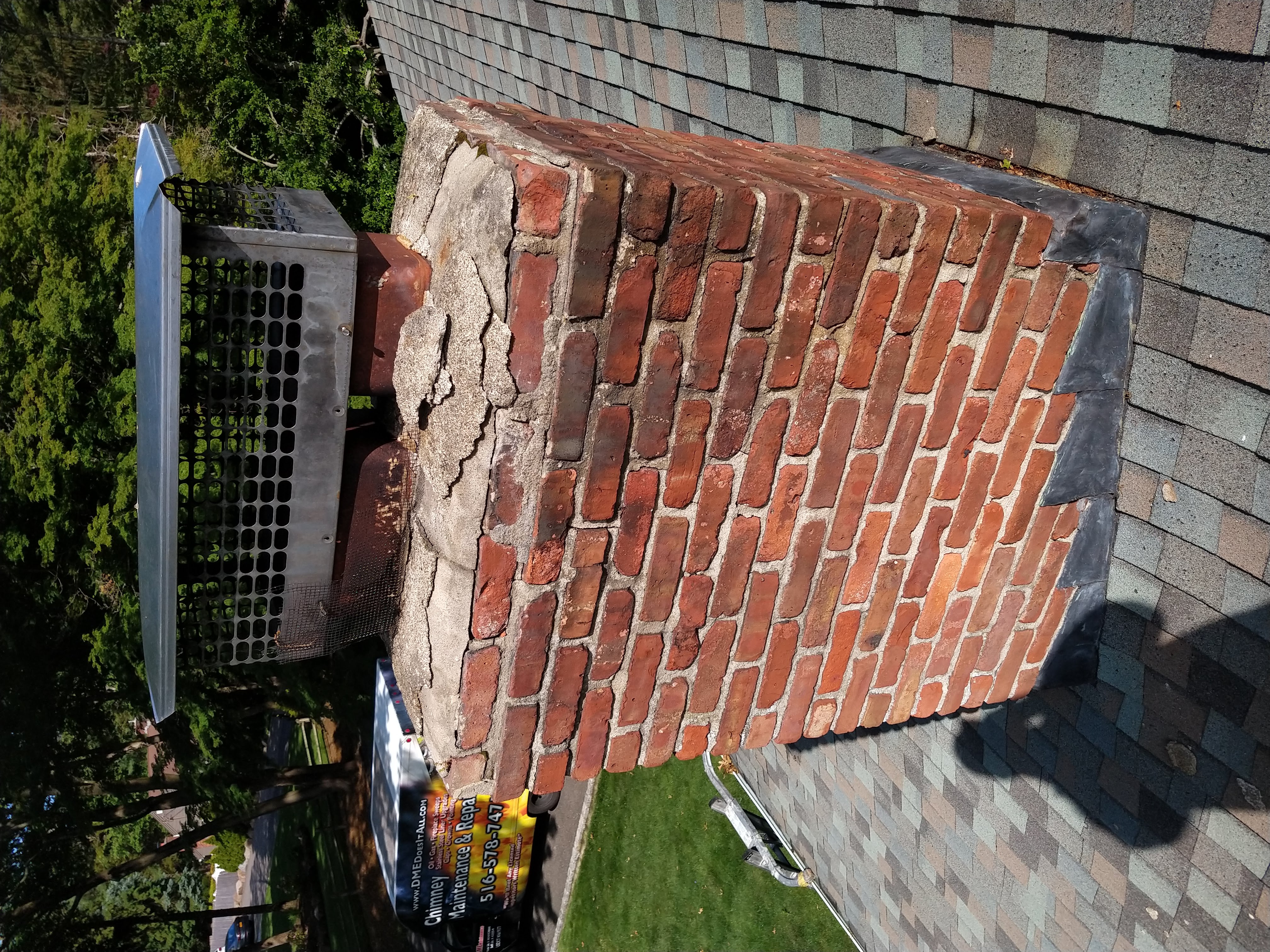
Mortar is the bonding and sealing material that holds your chimney's masonry together and protects the brick from water penetration at every joint. Unlike well-fired brick, which under normal conditions can last well over a century, mortar has a functional lifespan of approximately twenty-five to thirty years. In the Long Island environment, with its wet springs, salty coastal air, and significant freeze-thaw cycling through winter and early spring, mortar deterioration often occurs faster than that baseline estimate. As mortar erodes and recedes from the brick face, gaps open at the joints and water gains direct access to the interior of the chimney structure. Once water enters, it freezes and expands in cold weather, widening the cracks further and beginning a compounding cycle of deterioration. Over time, this freeze-thaw cycling causes the bricks themselves to crack and spall, and eventually leads to loose or falling bricks, structural instability, and in advanced cases a requirement for partial or full chimney rebuilding.
The good news for homeowners in Island Trees is that chimney pointing performed at the right time, when mortar is showing surface erosion but the bricks themselves remain intact, is highly effective at stopping this process and reversing the trajectory of chimney deterioration. Average chimney pointing cost in Island Trees runs around $530+, which represents exceptional value considering the alternative cost of a major repair or rebuild. Pointing done correctly can extend your chimney's life by decades.
Our chimney pointing process begins with a careful, systematic inspection of all mortar joints on the exterior faces of your chimney. We assess the depth and pattern of mortar erosion, check the brick faces for signs of incipient cracking or delamination, and look for related damage such as crown deterioration, flashing failures, or efflorescence that indicate water has already been entering the structure. We document our findings with photographs and discuss them with you clearly before any work begins.
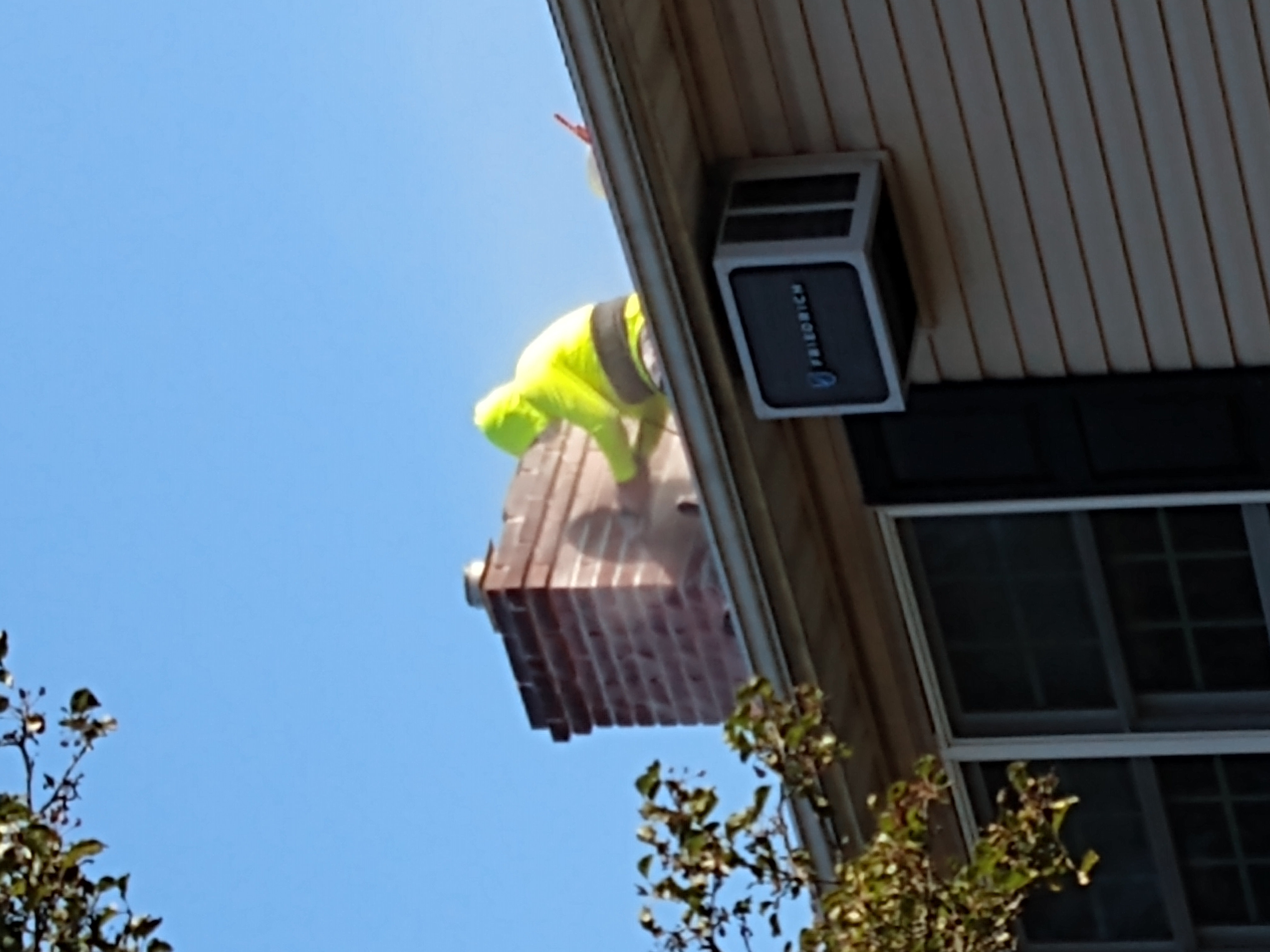
Proper mortar removal is the foundation of quality pointing work. We grind or chisel out all deteriorated mortar to a minimum depth of three-quarters of an inch, and deeper where necessary to reach sound material. This step is where many inexperienced contractors cut corners, removing only surface material and applying new mortar too shallow to bond correctly. Mortar applied at insufficient depth fails within one to two seasons, leaving the homeowner with the same problem and a wasted investment. Our technicians understand this and take the time to prepare joints to the correct depth on every job.
Mortar selection is equally important and is given careful attention on every project in Island Trees. We match the mortar mix to both the visual color of your existing joints and, critically, to its compressive strength. Using mortar that is harder or stiffer than the original formulation can cause brick cracking because it does not allow for the slight natural thermal movement of the masonry assembly. For older homes built before the widespread use of Portland cement, we use period-appropriate lime-based mortar blends. For modern brick construction, we use Portland cement mortars with the correct aggregate and pigment blend to achieve a natural, consistent appearance.
Once joints are prepared and the correct mortar is mixed, we pack the material in layers, tooling the surface to match the original joint profile, and ensure complete fill without voids. We clean all brick faces carefully before the mortar fully cures to remove any smears and preserve the clean, sharp appearance of the finished work. After completion, we walk through the entire chimney with you and review the result.
All pointing work is performed by experienced masons carrying All services provided by DME Maintenance · Nassau County License #H0101570000. If you have noticed crumbling mortar, visible gaps between bricks, white staining on your chimney exterior, or water inside your firebox, call levittownchimney.com at 516-690-7471 today for a free inspection and estimate.
Homeowners in Island Trees often notice the need for pointing work first from the ground, seeing white powdery deposits on the exterior chimney brick. This efflorescence is a sign that water has been moving through the masonry, dissolving soluble salts from the mortar or brick and depositing them on the surface as it evaporates. Efflorescence itself does not cause damage, but it is a reliable diagnostic sign that water is actively penetrating the chimney, and it usually indicates that pointing and possibly crown or flashing work are needed.
We also encounter homeowners in Island Trees who have had pointing work done by roofers or general handymen whose primary skill set is not masonry. Substandard pointing work is unfortunately common and often recognizable by mortar that is applied only to the surface of joints without adequate preparation, wrong mortar strength, or visible color mismatch with the existing joints. Poorly done pointing can actually cause accelerated brick deterioration by trapping moisture behind the new surface mortar, and it frequently fails and requires redoing within a year or two. When you hire levittownchimney.com for chimney pointing in Island Trees, you are getting dedicated masonry expertise applied correctly the first time.
Beyond the structural and waterproofing benefits, properly maintained pointing preserves the curb appeal and value of your home. A chimney with clean, well-maintained mortar joints looks well-cared-for and contributes to the overall impression of a well-maintained property. Conversely, a chimney with visibly eroded, crumbling mortar joints signals deferred maintenance to buyers, appraisers, and inspectors alike. Call levittownchimney.com at 516-690-7471 in Island Trees to schedule your free pointing inspection today.
Chimney pointing is skilled masonry work that makes a lasting difference in the life and integrity of your chimney. When performed correctly with properly prepared joints, matched mortar, and thorough coverage, it stops water infiltration, restores structural integrity, and gives your chimney decades of additional reliable service. levittownchimney.com brings that level of expertise to every pointing project in Island Trees and across Nassau County, NY. Call 516-690-7471 today to schedule your free inspection and get an honest assessment of what your chimney needs.